


Top Chess Tips for Beginners: Play Smarter and Win More
The best chess tips for beginners are simple habits that prevent blunders and build an advantage: control the center, develop every piece before attacking, castle early, always check for threats before moving, and think about the endgame. Practicing tactics daily is the fastest way to improve.
Learning chess can feel daunting at first, but it does not have to be. At the level of chess for beginners, most games are won or lost not through brilliant sacrifices, but through small mistakes and sound decisions.
This guide offers practical advice for players learning how to win at chess more consistently: reduce blunders, build reliable habits, and improve one decision at a time. For a broader improvement plan, see how to get good at chess.
15 Essential Chess Tips for Beginners
These chess strategies to win more consistently focus on development, tactical awareness, king safety, and reviewing mistakes rather than memorizing shortcuts.
1. Learn the Basics of Chess Openings
The first 5–10 moves can strongly influence the rest of the game. Start with these practical principles:
-
Dominate the center (play 1.e4 or 1.d4)
-
Develop knights before bishops
-
Don’t move the same piece twice early
-
Castle early for king safety
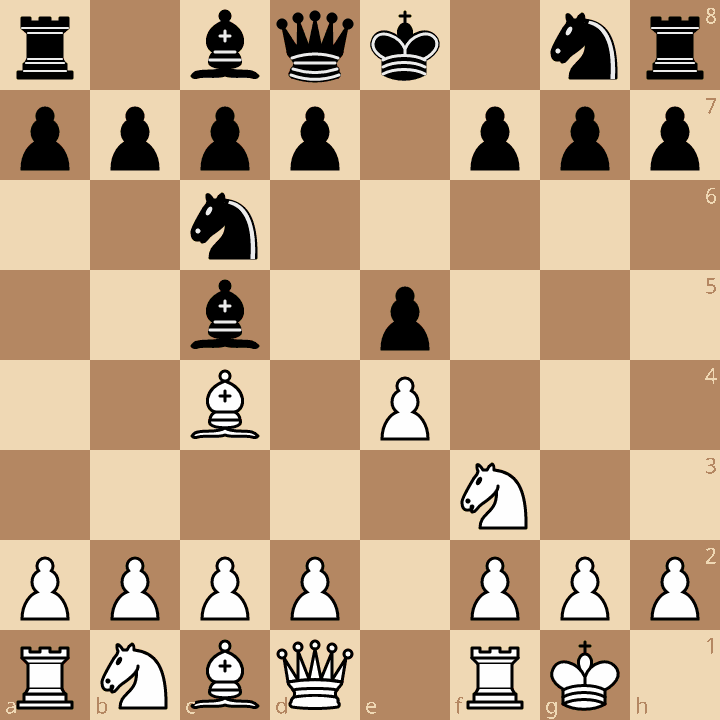
Chess advice: Do not memorize lines; learn the purpose behind each move.
2. Avoid Early Pawn Grabs and Tricky Blunders
New players often grab material too early, weakening their position.
Example: In this common trap, Black plays 3...Nd4 to attack early, but White can punish this.
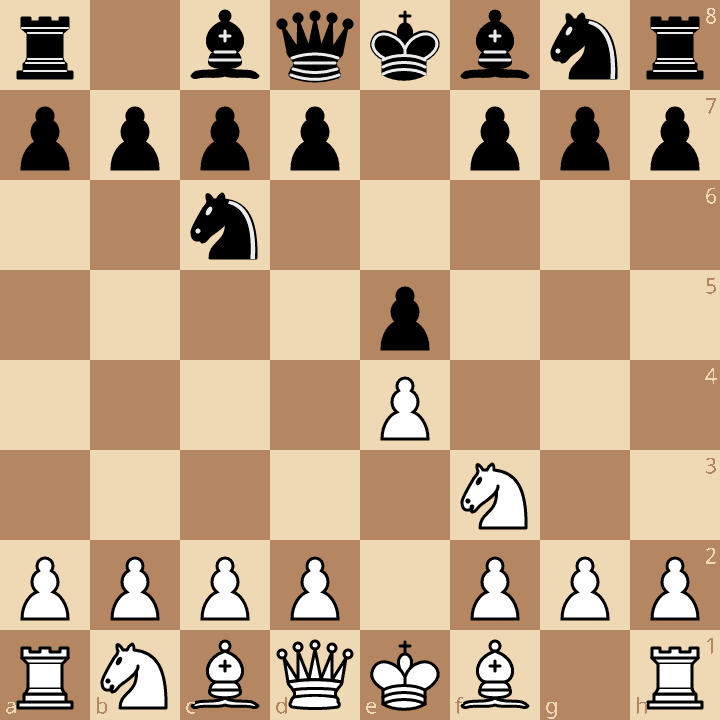
Think long-term: development and king safety > extra pawn.
3. Use a Simple Mental Checklist Every Move
Before making any move, ask:
-
What changed on the board?
-
Are there any checks, captures, or threats?
-
What is my opponent’s next idea?
This habit can prevent many common beginner blunders.
Suggested platform for practice: World Chess
4. Focus on Tactics, Not Memorization
Tactics win many beginner games. Instead of memorizing long opening lines, spend time on chess tactics and connect them with a sound beginner chess strategy based on development, central control, and king safety.
-
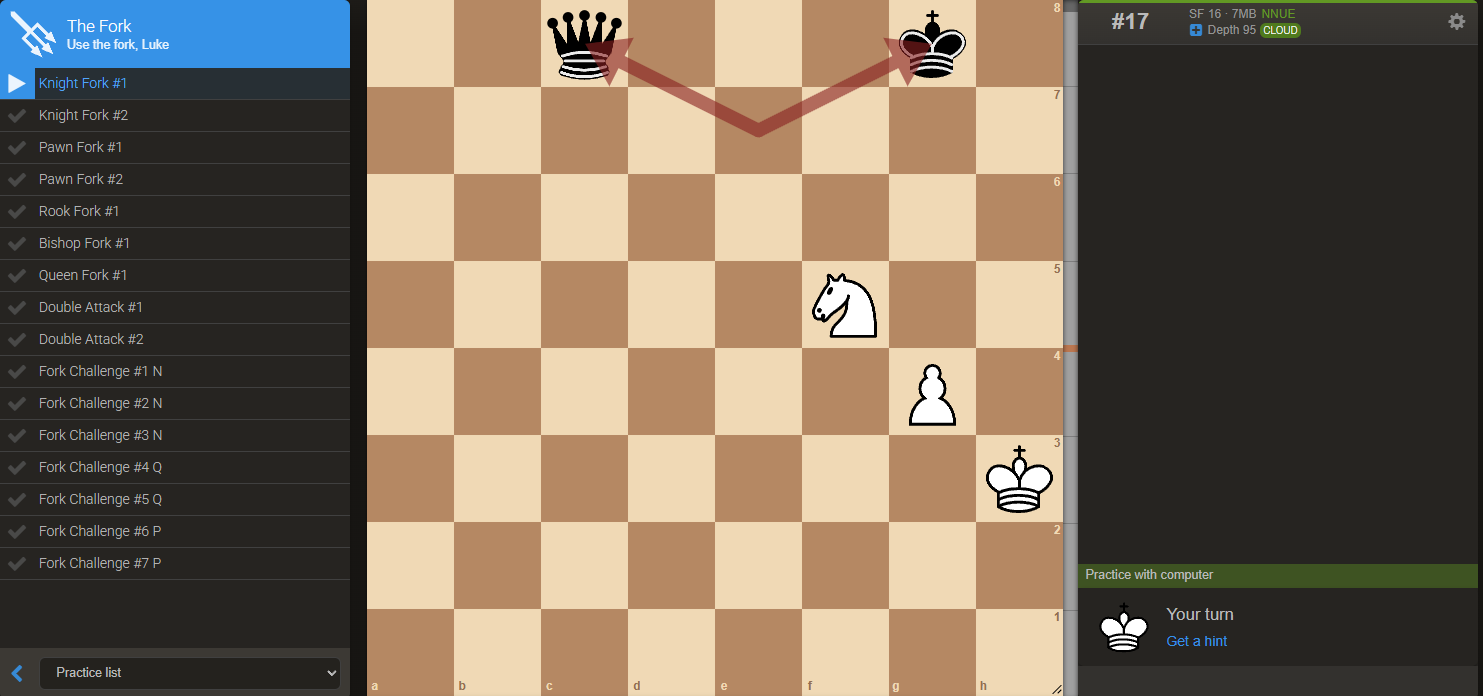
Learn patterns: forks, pins, skewers, discovered attacks
-
Use puzzle trainers with spaced repetition
-
Practice solving without moving pieces (in your head)
5. Play Longer Time Controls (and Analyze the Game)
Avoid blitz and bullet until you're solid with your fundamentals. Take some time to reflect while playing games that are 15+10 or longer.
After the game:
-
Go through the first 15 moves
-
Look for tactical errors or missed threats
-
Ask: Where did I lose control?
6. Learn the Most Basic Checkmates
You don’t need to study 50 endgames, just 2 or 3 that win games fast:
-
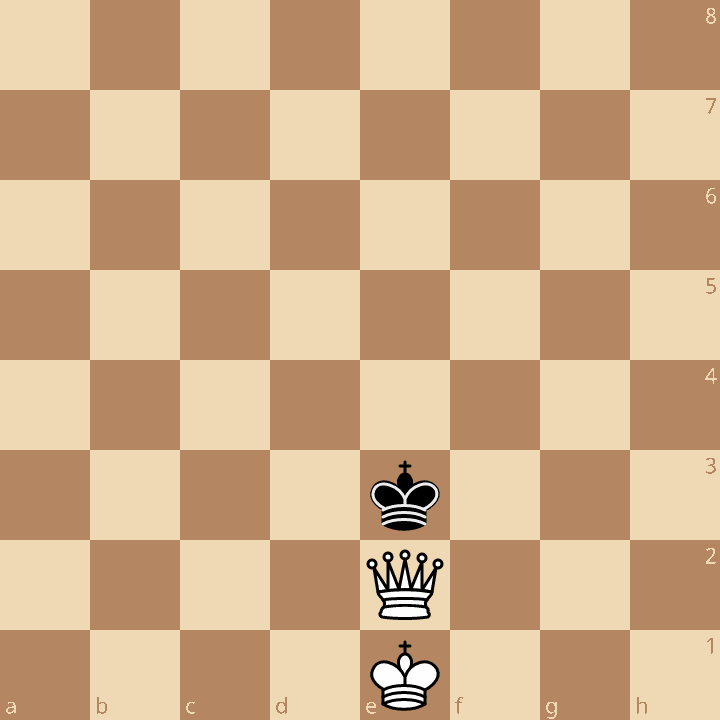
King + Queen vs King
-
King + Rook vs King
-
Basic pawn promotion patterns


7. Always Ask: What Does My Opponent Want?
Beginner games are often decided by who sees threats faster. Before making a move, ask:
-
What is my opponent’s plan?
-
Are they threatening a piece or a square?
-
Am I walking into a trap?
This habit builds defensive awareness and prevents basic mistakes.
8. Avoid Common Beginner Mistakes
Some errors appear again and again in beginner games:
-
Bringing the queen out too early
-
Moving pawns aimlessly
-
Forgetting to castle
-
Trading pieces without a reason
Chess hints: Play through your last three games and check if you made one of these.
9. Control the Center of the Board
The game is in your control once you take control of the center. It gives your pieces space and influence.
-
Use pawns (e4, d4, e5, d5)
-
Place knights and bishops toward the center
-
Avoid edge-of-the-board pieces early on
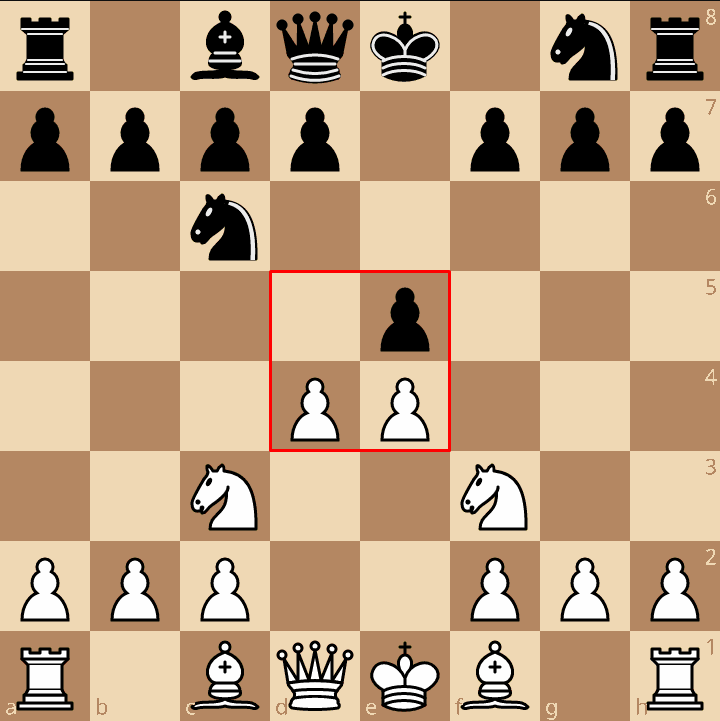
area with central squares (d4, e4, d5, e5) outlined.
This is the best way to play chess at any level.
10. Practice with Bots and Real People
Playing against bots helps build confidence, while real games teach you unpredictability.
-
Use low-level bots to test ideas safely
-
Play human opponents to build practical instincts
-
Analyze both types of games afterward
11. Use the Right Tools and Boards for Practice
Good equipment improves focus and makes solo practice more engaging.
-
Train on a real chess board
-
Use beginner chess sets for consistent over-the-board practice.
-
Use helpful accessories or chess gifts
12. Train Tactics Like a Mini-Workout
Consistent short training is better than rare long sessions. Try this:
-
10 puzzles a day (forks, pins, skewers)
-
Use a timer to simulate pressure
-
Review what you missed
Bonus: Keep a log of common patterns you struggle with.
13. Study Your Own Games (Even Losses)
You learn more from your mistakes than your wins—if you review them.
-
Check where your position worsened
-
Identify missed tactics
-
Inquire: was there an error in the beginning, middle, or endgame?
Use free analysis tools and write down 1–2 lessons after each game.
14. Learn One New Idea Per Day
Avoid trying to absorb everything at once. Just pick one idea:
-
“Control open files with rooks”
-
“Don’t exchange developed pieces for undeveloped ones”
-
“Never move a pawn without a reason”
Over time, small improvements add up.
15. Have Fun and Stay Consistent
It sounds basic, but enjoying the game makes you return to it—and that’s where real progress comes from.
-
Set simple goals (e.g. “No blunders today”)
-
Celebrate small wins
-
Join beginner-friendly communities
Train with Real Chess Equipment
Practicing offline improves your board vision and attention span.
-
Set up your training space with a premium board
-
Track your growth with a journal or chess scorebook
Let's Sum Up
How do you win in chess more often? The path is straightforward: build good habits, practice consistently, review mistakes, and apply these chess tips for beginners one move at a time.
Remember:
-
Do not pursue glitzy strategies, instead learn to play the basics of chess
-
Train a little every day and use chess tricks to win
-
Play slower games and review your decisions
-
Focus on ideas, not memorization
-
Be motivated by using the right tools and equipment
The most effective thing is to have fun when you are doing it. Go ahead and get your board, open your puzzle trainer, and begin implementing these tips to win in chess, and one move at a time.
FAQ About Chess Tips for Beginners
What are the most important chess tips for beginners?
Bring up your pieces and castle as fast as you can while playing in the center. Avoid early overexposure of your queen and the tactics like forks and pins.
How do I get better at chess as a beginner?
Play longer games (15+10 or more), solve puzzles daily, analyze your games and do not play blitz before you build a strong base. Organize your learning with the help of such tools as Lichess or Chess.com.
Is it useful to play against bots as a beginner?
Indeed, bots are useful to practice without pressure and to experiment with new ideas. All you need to do is just make sure you also play against real people so that you can be accustomed to unpredictability and emotional decision-making.
Should I memorize openings?
No. Understanding the purpose behind a move is more useful than memorizing moves without context. First learn basic principles such as controlling the center, developing pieces, and castling; add opening theory later.
What are common beginner mistakes to avoid?
Common mistakes include failing to castle, bringing the queen out too early, making unnecessary pawn moves, and missing basic tactics. Before every move, ask what your opponent is threatening.